Jalita Aspelin — Senior Product Designer · Complex Digital Products

I design complex products. The kind where the hard part isn't how it looks — it's that nobody can quite agree on what's actually happening.
Most recently, Head of Design at Mailbird, working directly with the CEO and leading product, UX, brand and growth on a two-person design team for a cross-platform email client with 4.7 million users. I rebuilt the Windows flagship, co-designed the Mac client now on the App Store, ran the research that found our biggest onboarding drop-off, and designed an in-product AI image generator end-to-end.
I didn't start out as a designer. I started in marketing at Agence France-Presse in Paris, selling sports media products into international markets. Then came three years of digital project management in London agencies, where I worked with brands like Jamie Oliver, Paul Smith, the Natural History Museum and Harley-Davidson.
Then I moved to Shanghai and launched an EdTech company's first China centre. Looking back, those years probably taught me more about design than I realised. How businesses actually work. How decisions get made. How differently people can see the same thing. And how little use there is in making something beautiful if nobody understands why they need it.
I moved into design full-time at Columbia Road in Finland and never really looked back. Since then I've worked across Europe, the US, South Africa and Asia; in agencies, consulting, startups and in-house teams. Over 100 projects across B2B, enterprise, consumer products, eCommerce, and digital experiences.
Some have been tiny. Some have involved 50 people across four countries. I've designed mobile ordering systems built on 21 microservices, global digital experiences across 32 countries, eCommerce products, brand systems, and most recently AI experiences inside a 4.7 million-user SaaS product.
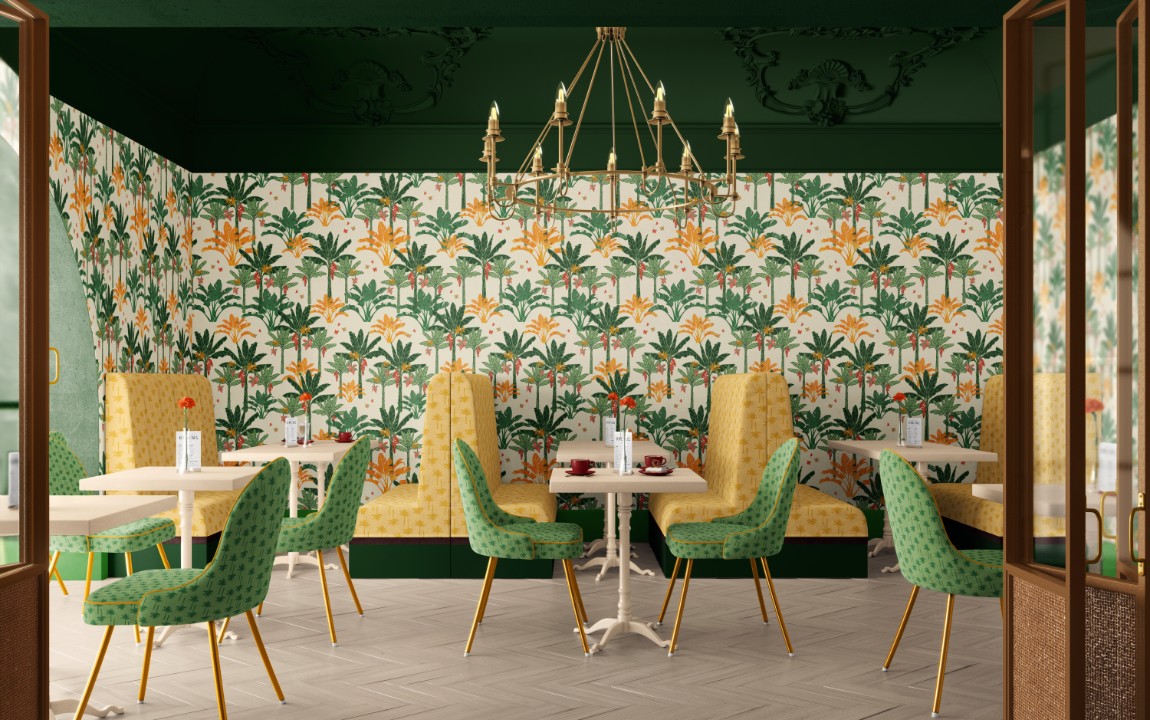
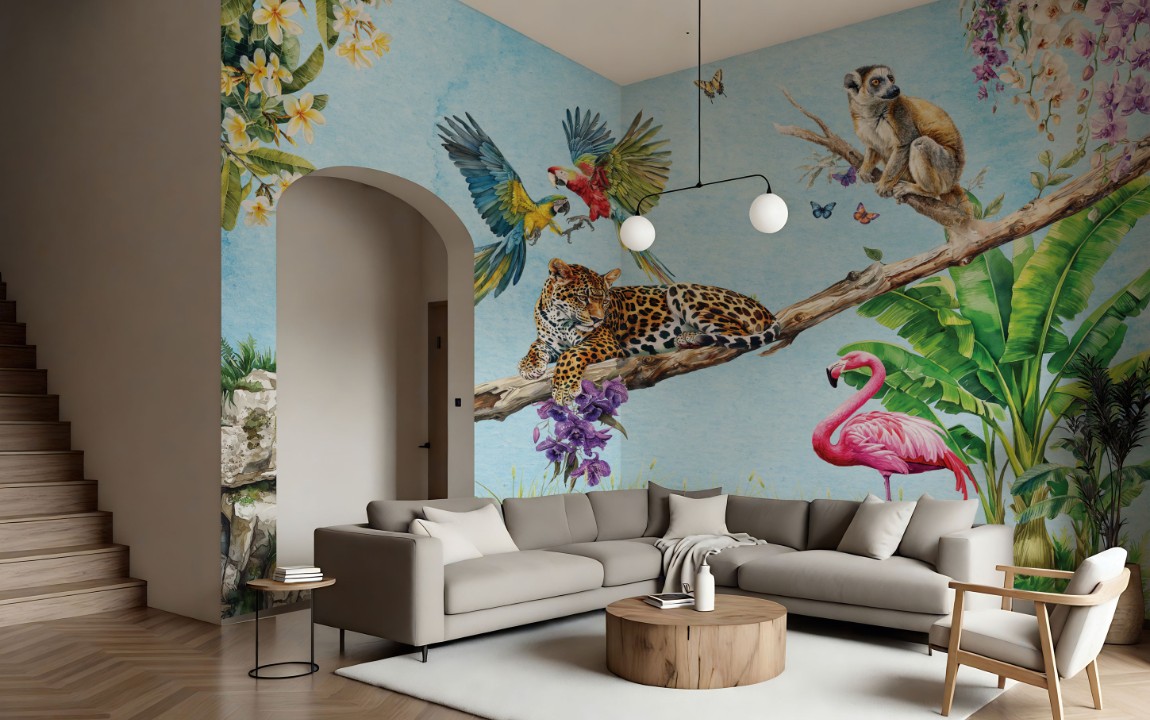
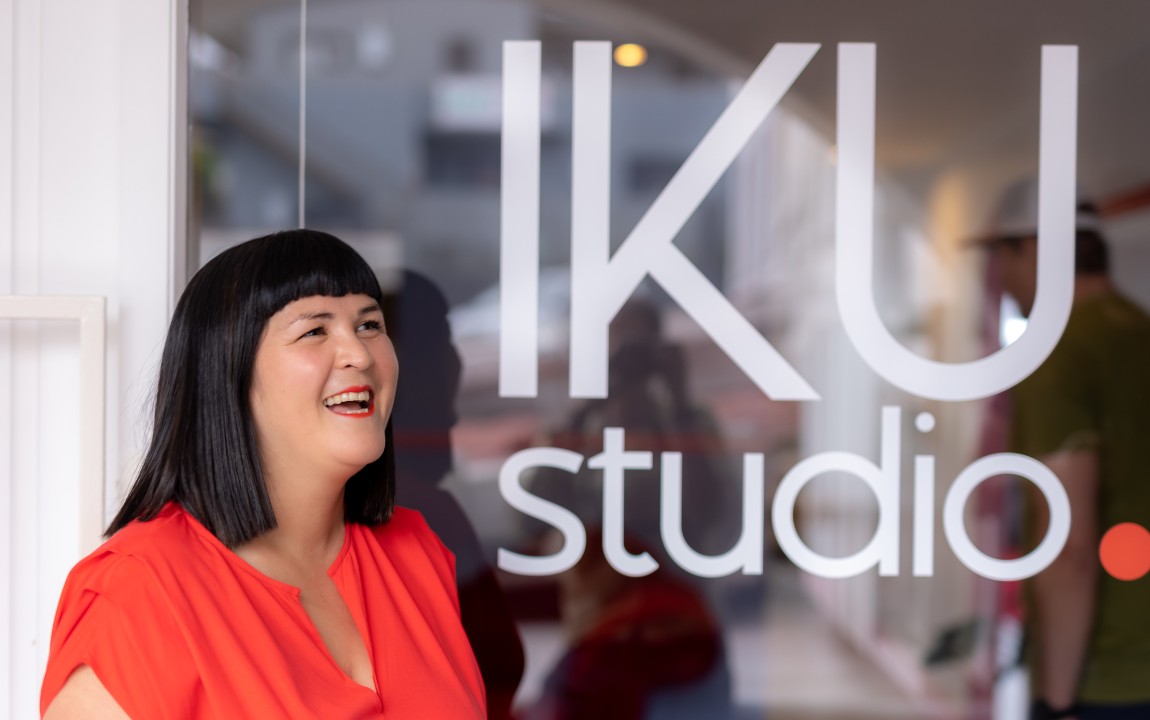
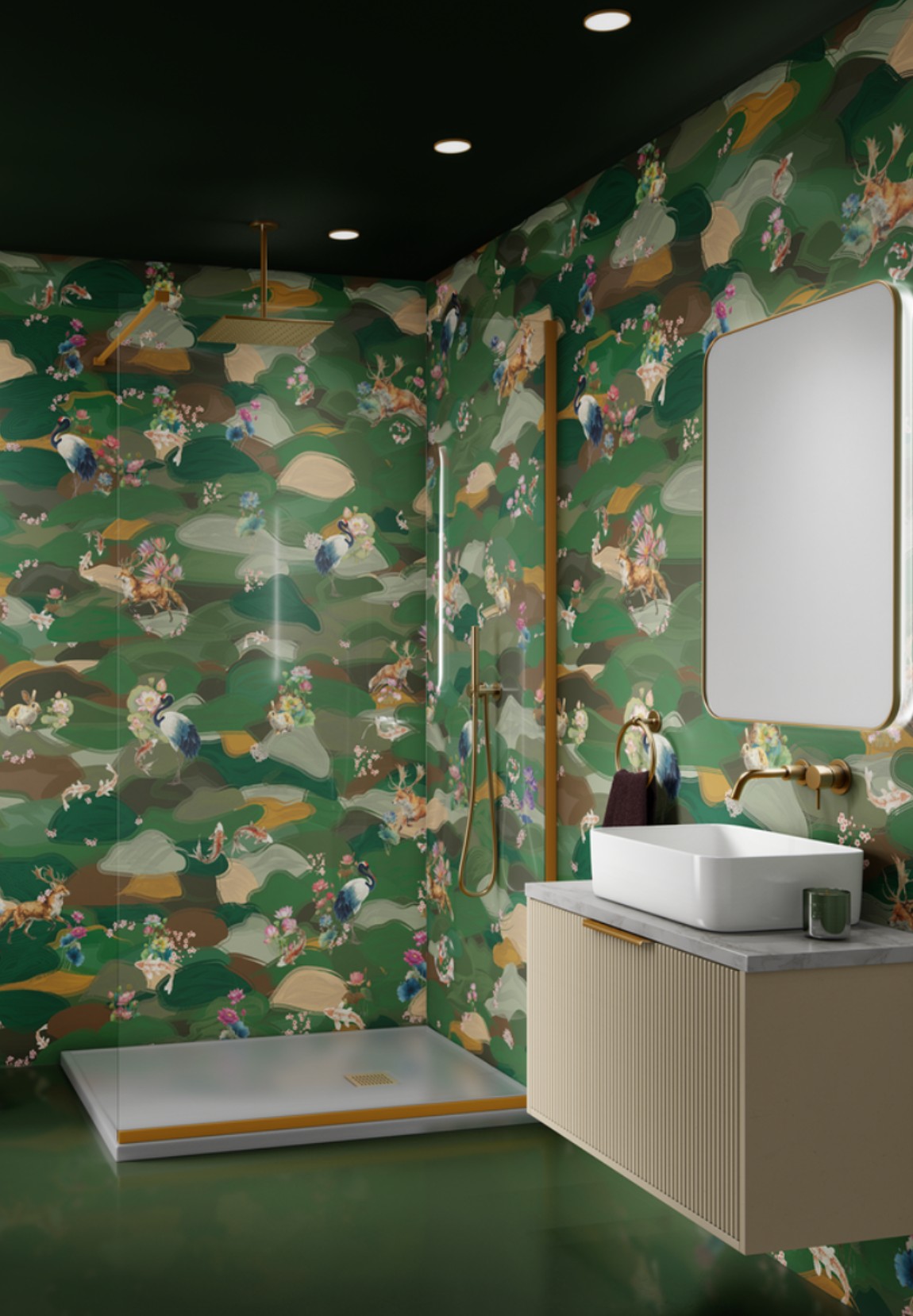
Outside digital, I make things with my hands. I've run a studio and gallery on South Africa's Garden Route, exhibited a wallpaper collection at Decorex Cape Town, and made murals for high-end interiors. It keeps me close to materials, craft, and the joy of making.
Apparently, I don't know how to stop making things. And I'm happiest when I can create.
I still like doing the work myself. I like understanding what's actually going on before opening Figma, or these days, Claude. I like talking to customers, engineers, founders, and marketers. I like finding the awkward bit everyone has been working around. And then I like figuring out how to make it better.
I start with the problem, not the brief. Usually that means research, usability sessions, funnel analysis, or watching someone use the thing badly, and then a hypothesis sharp enough to argue with. At Mailbird, that's how authentication turned out to be our biggest onboarding drop-off, and how it stopped being one.
I work close to engineering. Most of my best work has come from designing with two or three developers in the room rather than handing something over. It can be slower for a week, faster for a quarter, and it's why what I design tends to get built the way I designed it. And the solutions I create tend to keep being used long after I've moved on.
I test, and I expect to be wrong. A/B tests across eCommerce funnels, usability studies on onboarding, enough losing variants to be skeptical of my own first idea.
I build systems, not screens. Components, tokens, and the boring rules that stop a product from drifting six months after launch, plus the occasional design-debt hackathon to pay down what drifted anyway.
And I'll say the unpopular thing. Scope, timelines, ideas that don't survive contact with the problem. Someone has to, and it's cheaper coming from design than from support tickets.
For most of my career, I've worked without a product manager between me and the problem, which taught me to frame it myself. What I want now is the other version: a real cross-functional team, a researcher who's better at research than I am, and other designers to argue with.
I'd love to hear what you're building.
Let's talk.
Fifteen years at the intersection of commercial strategy, brand, and product.
High-level direction. Hands-on craft. Zero lost in translation.

She's one of those people that everybody took a shine to.

Her feedback was the kind that helps you clarify your own thinking.

A rare ability to bridge the gap between great aesthetics and real business results.

Jalita has a fantastic work ethic and delivers top-quality work across all digital categories.

She doesn't just make things look better — she makes them clearer.

Highly valuable recommendations that transformed our customer journey.

A warm, generous leader who genuinely cares about her people and the quality of the work. I'd recommend her in a heartbeat.

Her strongest skill is combining brand thinking with digital experience.
If you have the chance to work with her, take it.

One of our best case studies — on deadline, on budget, uncompromised creative.

Combined with a killer taste.

Given us completely new ways of working.

Jalita is a lovely person to work with and learn from, and getting her on your team is a win for everyone involved.

Highly experienced in Agile and Kanban, and generous in helping the whole team work better. Calm, supportive and positive under pressure.
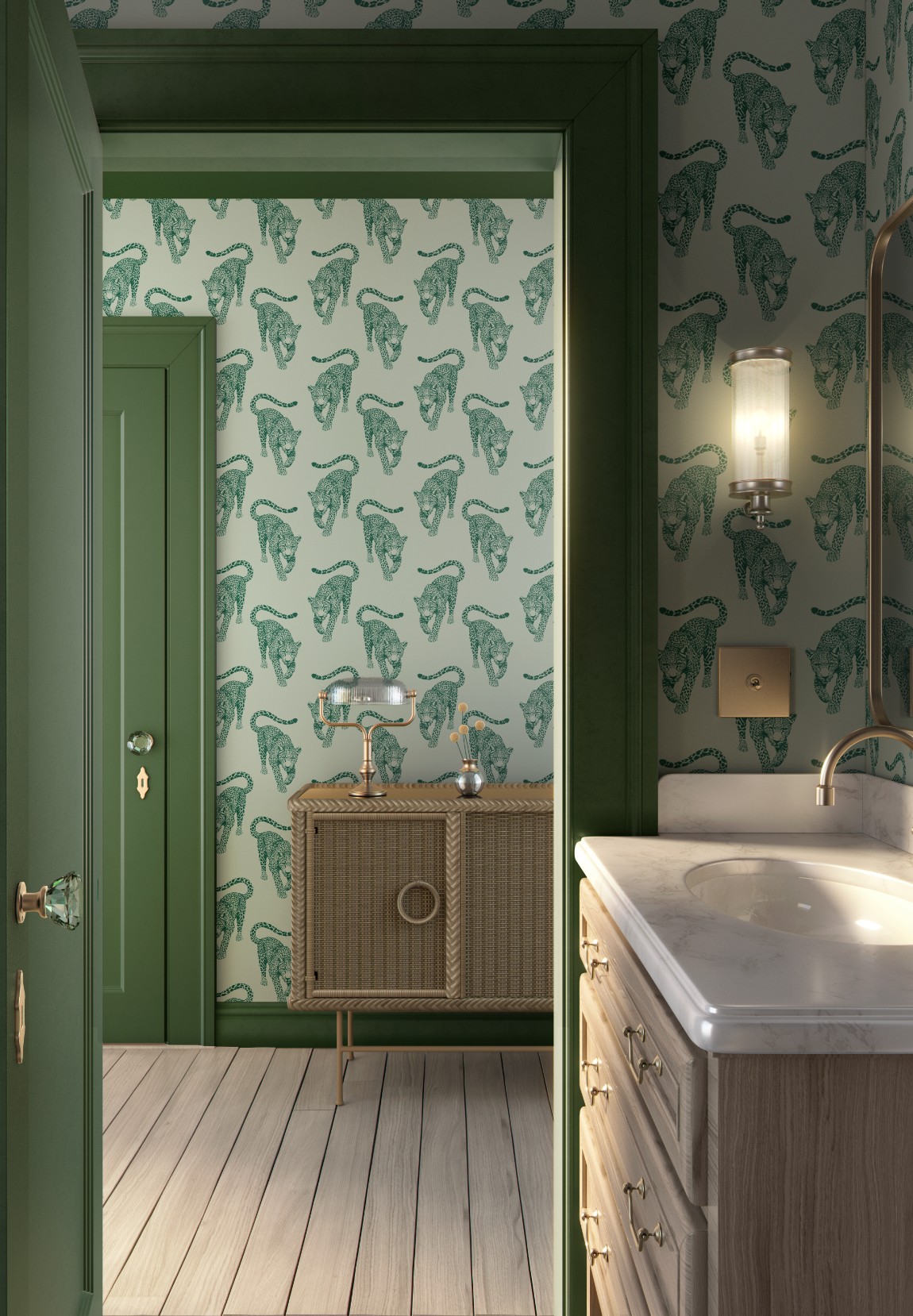
A wallpaper and mural collection exhibited at Decorex Cape Town, commissioned by interior designers and private clients along the South African coast.