Lead designer on the Nordic garden group's first direct-to-consumer store, launching Kekkilä in Finland and Hasselfors Garden in Sweden from brief to live in two and a half months.
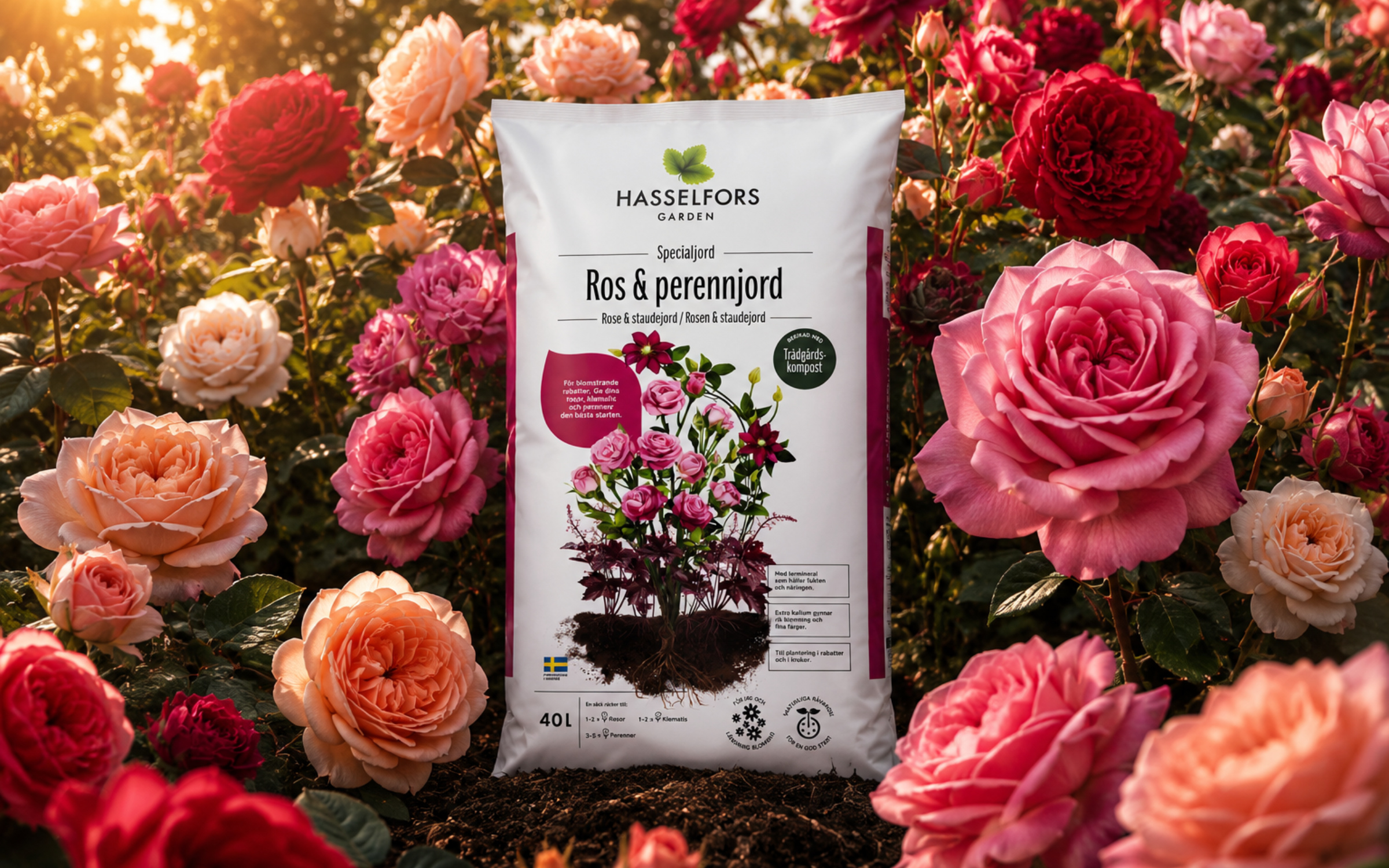
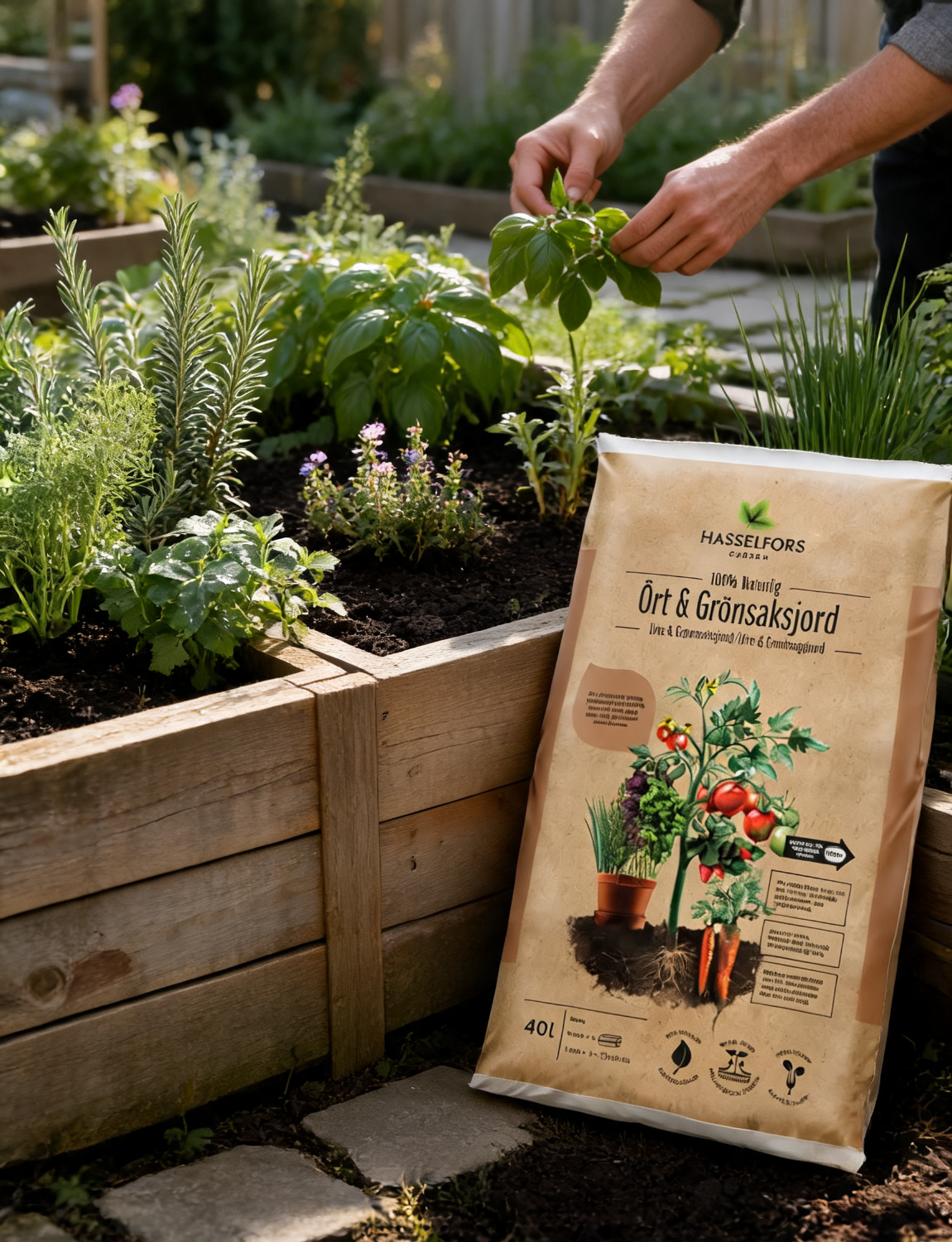
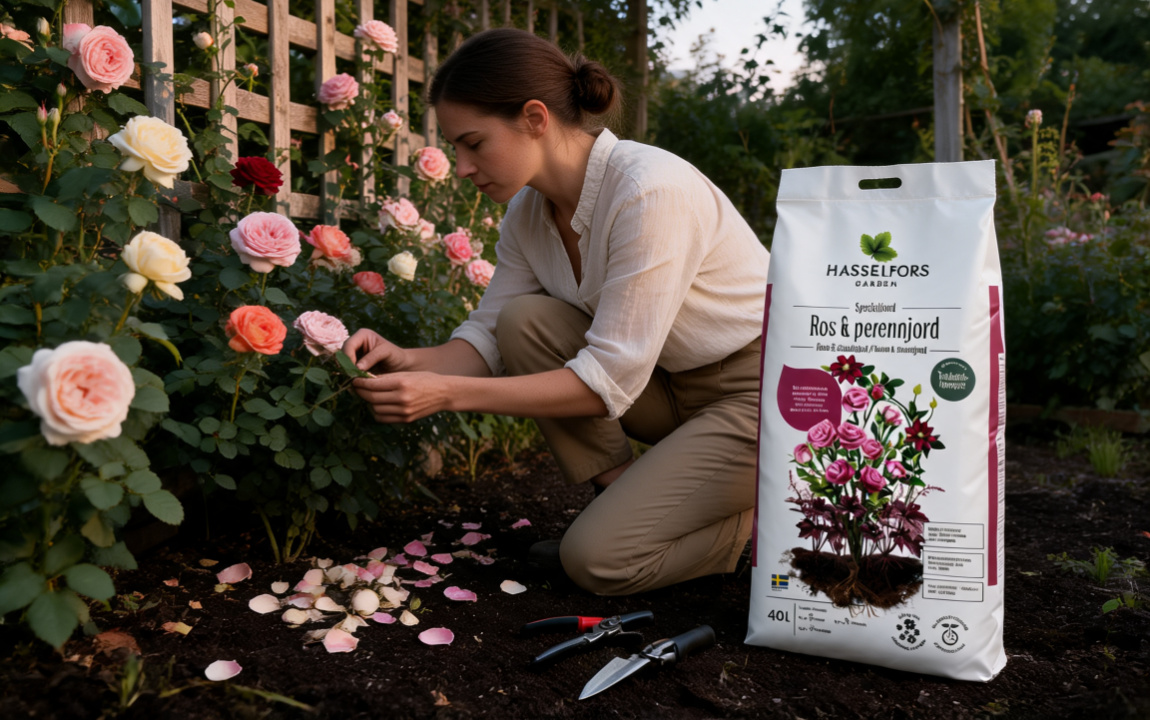
Kekkilä Group had spent decades selling soil, fertiliser and garden goods through retailers. They had never once sold to a customer themselves.
Going direct meant more than building a store. It meant creating the whole chain end to end—order, payment, shipping, logistics, delivery and feedback—inside a business with no existing digital commerce muscle and no budget for a flagship build.
It also meant two brands and two countries at once: Kekkilä in Finland, Hasselfors Garden in Sweden. Same group, different languages, different product ranges, and reseller relationships that couldn't be undercut. And a hard deadline—live before the summer growing season, or wait a year.
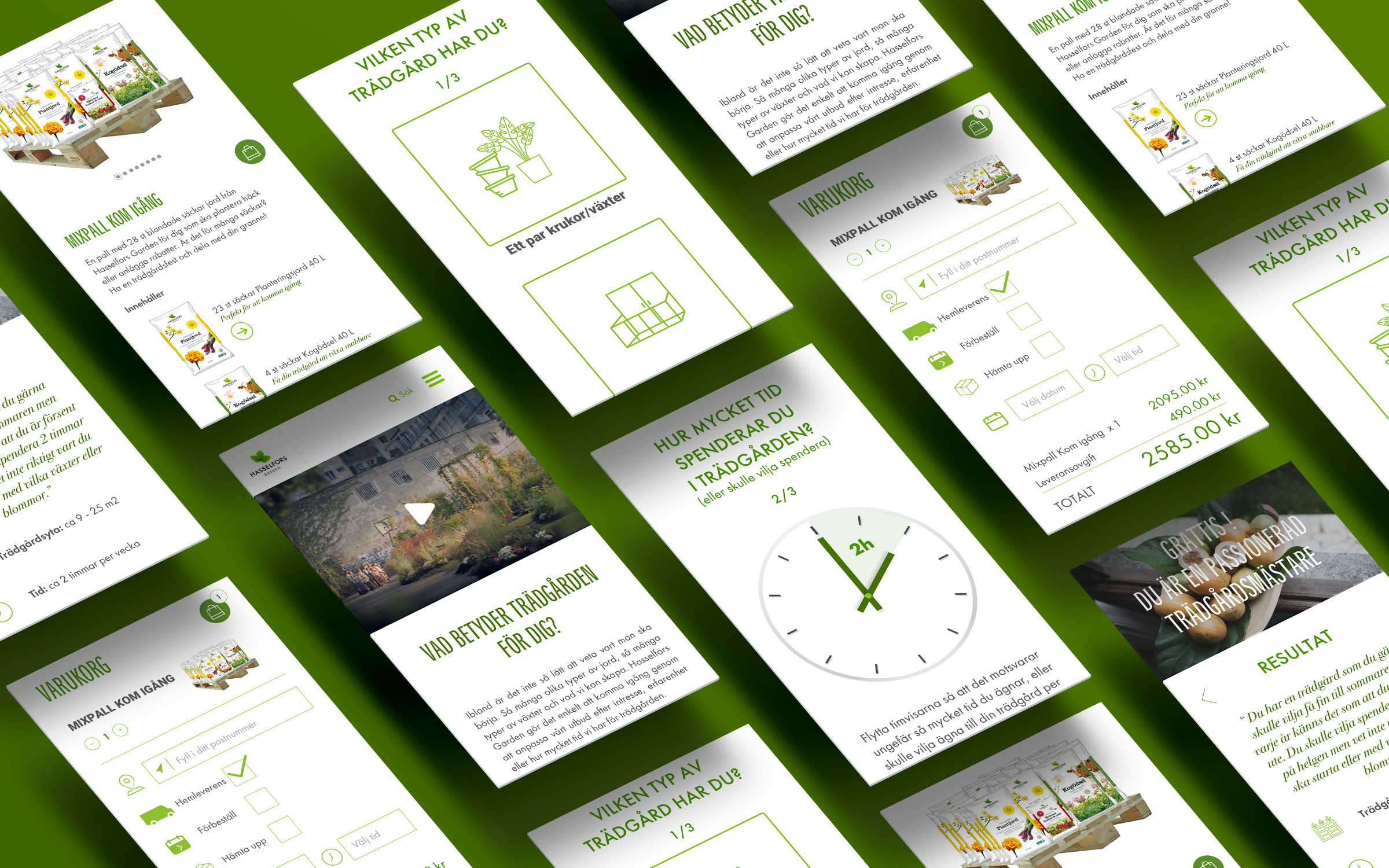
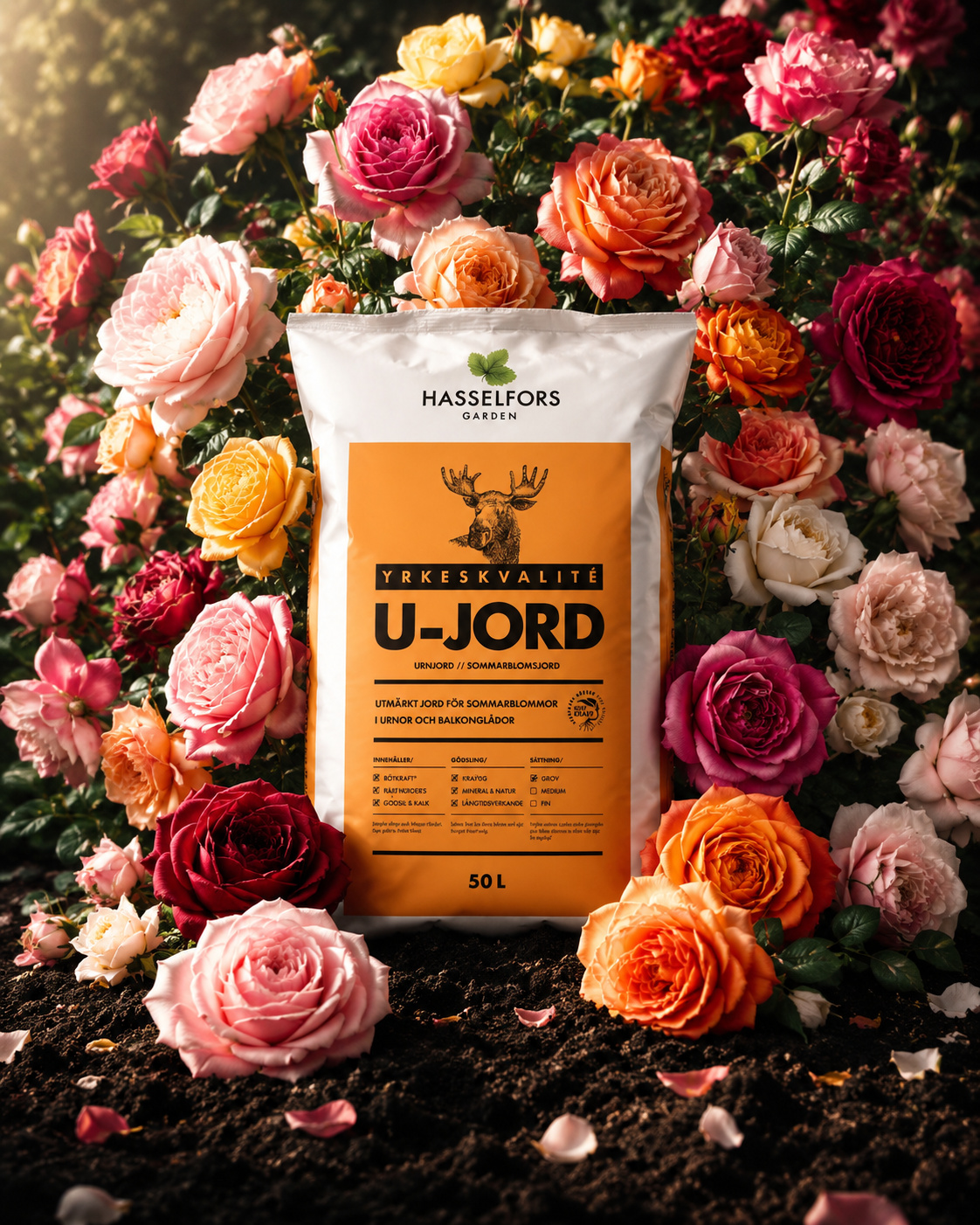
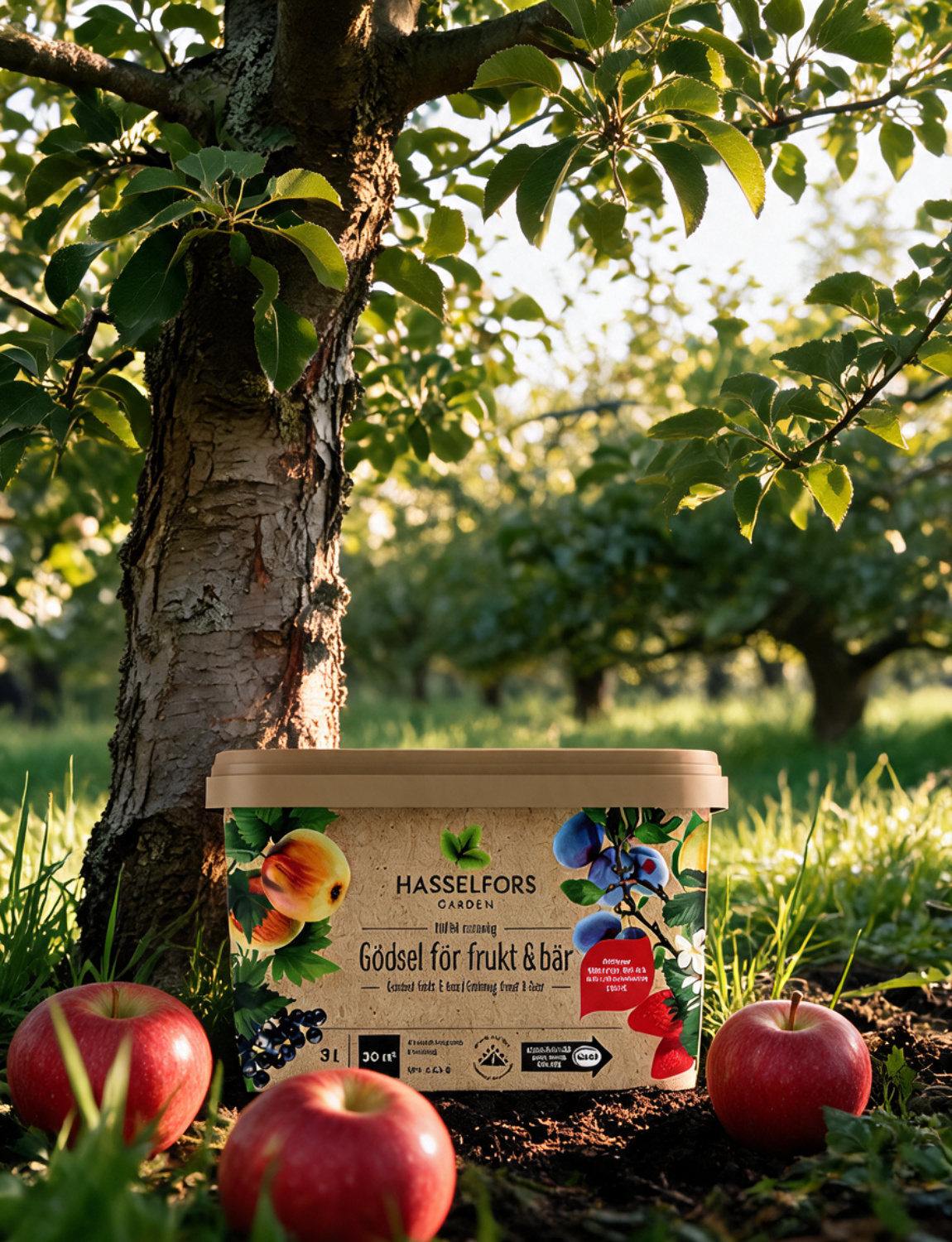
We shipped a real store with a focused range of products rather than a half-finished store with everything—and built it on the systems the business already had.
Using WooCommerce on the existing WordPress setup meant we could move quickly without rebuilding the underlying platform. As lead designer, I owned UX and creative direction across every customer-facing surface, designing the product and category architecture so the experience worked across two languages and two markets without becoming two separate stores.
I helped scope how the new commerce flow would connect with existing systems, and worked with the team to define the logistics and payment flows needed to support the business beyond launch.
Twelve people across agency, client and partner vendors worked in parallel, with the hard deadline keeping everyone moving toward the same launch.
Creative direction and UX across every customer-facing surface, in two languages and two markets.
Structured the catalog so two brands could operate within one coherent commerce system.
Mapped how the new store would connect with the existing WordPress estate and operational systems.
Worked across logistics and payment flows to make the new DTC journey viable from order through delivery.
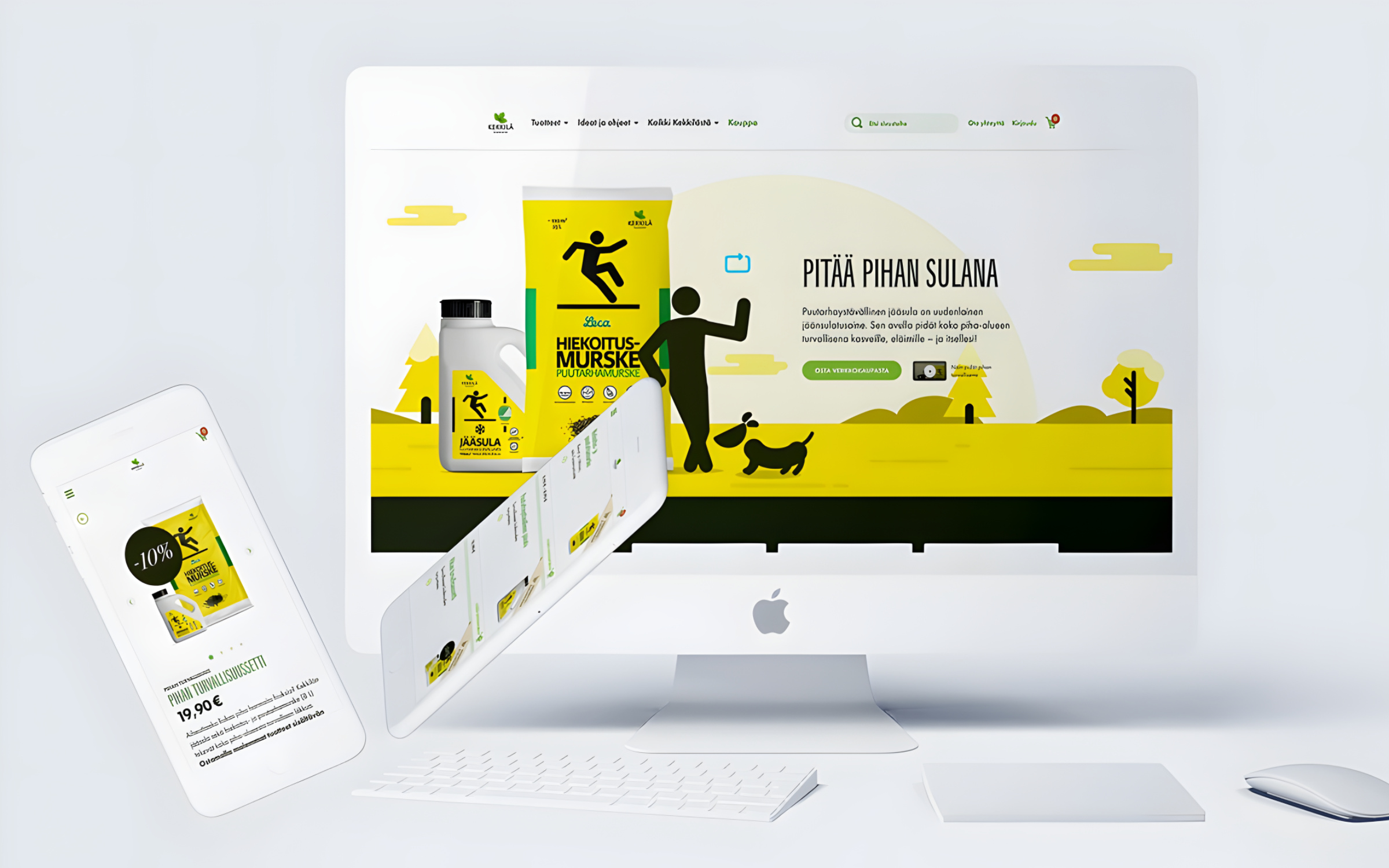
Launched on schedule ahead of the growing season, the MVP gave the group its first direct-to-consumer channel across two markets—while giving the group the evidence and experience it needed to invest further in digital commerce.
Just as importantly, it gave the organization its first working model for digital commerce: how customers buy, how the operation supports it, and what needed to come next.